Mostrando postagens com marcador Fraude. Mostrar todas as postagens

quarta-feira, 6 de fevereiro de 2013

FBI desmantela megaesquema de fraude com cartões de crédito

From BBC 06/02/2012

A polícia federal americana desmantelou uma quadrilha que teria roubado mais de US$ 200 milhões usando cartões de crédito falsos, no que está sendo visto como um dos maiores esquemas de fraude da história dos Estados Unidos.

Ao todo, 18 pessoas foram presas e acusadas pela fraude, que teria envolvido milhares de identidades e empresas falsas, dados falsos para agências de avaliação de risco e até procedimentos em outros países.

Notícias relacionadas

Tópicos relacionados

Um agente do FBI informou que os acusados faziam parte de um sofisticado sistema baseado no Estado americano de Nova Jersey, mas com atuação também em outros 28 Estados.

Segundo os investigadores, o esquema foi iniciado em 2007. Os fraudadores usavam avaliações de crédito de 7 mil portadores de cartões de créditos, todos falsos, para conseguir empréstimos de grande porte - que nunca foram reembolsados.

"Os acusados criaram uma 'cafeteria virtual'...cujos principais itens do cardápio eram cobiça e enganação", afirmou David Velazquez, agente especial comandante do escritório do FBI em Newark, na terça-feira.

Falsificações

Mais de 25 mil contas de cartão de crédito foram abertas usando registros falsos e uma rede de 1.800 endereços de correspondência.

O esquema também estabeleceu pelo menos 80 empresas falsas e comprou máquinas de pagamentos de cartão de crédito. Eles passavam os cartões e ficavam com o dinheiro.

O prejuízo confirmado, de US$ 200 milhões, pode ser ainda maior, devido ao tamanho do esquema.

"Este tipo de fraude aumenta os custos dos negócios para cada consumidor americano, todos os dias", afirmou o promotor americano Paul Fishman.

"Com a ganância e arrogância, os indivíduos presos hoje e seus conspiradores teriam prejudicado não apenas as companhias de cartão de crédito, mas todos que precisam lidar com taxas de juros e outras taxas cada vez maiores por causa do dinheiro tirado do sistema por criminosos em esquemas fraudulentos como este."

Os envolvidos também teriam enviado milhões de dólares para o Paquistão, Índia, Emirados Árabes Unidos, Canadá, Romênia, China e Japão.

Milhões foram gastos na compra de ouro, tratamentos em spas, artigos eletrônicos e carros de luxo. Em uma das operações de busca do FBI, os agentes encontraram US$ 78 mil escondidos em um forno.

Entre os detidos, 14 compareceram a uma audiência na terça-feira, oito foram liberados, e seis continuam detidos, aguardando uma nova audiência na sexta-feira.

Se forem considerados culpados, poderão ser condenados a até 30 anos de prisão e ao pagamento de uma multa de US$ 1 milhão.


Leia mais sobre esse assunto

Notícias relacionadas

Picture source: Google picture search

terça-feira, 5 de fevereiro de 2013

Strengthening Canada’s Fight Against Foreign Bribery

February 5, 2013 from  Foreign Affairs and International Trade Canada

February 5, 2013 Foreign Affairs Minister John Baird today announced that the Harper government is taking further steps to combat corruption and bribery by tabling amendments to the Corruption of Foreign Public Officials Act in the Senate. He delivered the following remarks in Ottawa:

“Our government’s top priority is securing jobs, growth and long-term prosperity. In our international dealings, this takes many forms.

“It involves positioning Canada as a reliable supplier of the resources emerging markets need to grow.

“It involves pursuing an aggressive, pro-trade agenda.

“It involves creating the conditions for Canadian businesses to succeed.

“But our government also expects Canadian business to play by the rules.

“Canadian companies can compete with the best and win fairly.

“To signal our commitment and our expectation that other countries do the same, I am pleased to announce that our government is redoubling our fight against bribery and corruption.

“Today, reforms are being introduced in the Senate that will further deter and prevent Canadian companies from bribing foreign public officials. These amendments will help ensure that Canadian companies continue to act in good faith in the pursuit of freer markets and expanded global trade.

“Canada is a trading nation. Our economy and future prosperity depend upon expanding our trade ties with the world. This, we hope, is a good faith sign that Canada’s good name retains its currency.”

Backgrounder – The Corruption of Foreign Public Officials Act

The Corruption of Foreign Public Officials Act (CFPOA) makes it a criminal offence in Canada for persons or companies to bribe foreign public officials to obtain or retain an advantage in the course of international business. The act was created as a result of Canada’s obligations under the Organization of Economic Co-operation and Development’s (OECD’s) Convention on Combating Bribery of Foreign Public Officials in International Business Transactions, which Canada ratified in 1998. The CFPOA is also the implementing legislation for Canada’s anti-corruption obligations under the United Nations Convention against Corruption and Inter-American Convention against Corruption.

In 2008, the Royal Canadian Mounted Police (RCMP) established the International Anti-Corruption Unit, which is dedicated to raising awareness about and enforcing the CFPOA. To date, three companies have been convicted under the act, two cases are pending and there are 35 ongoing investigations under the CFPOA.

The proposed amendments to the act include the following:

  • Nationality jurisdiction: This amendment will make it easier for Canada to prosecute Canadians or Canadian companies for bribery in other countries, insofar as it will allow the Government of Canada to exercise jurisdiction over all persons or companies that have Canadian nationality, regardless of where the alleged bribery has taken place.
  • Eventual elimination of facilitation payments: The act currently states that payments made to expedite or secure the performance by a foreign public official of any act of a routine nature that is part of the foreign public official’s duties or functions do not constitute bribes. This amendment will eliminate the exception for facilitation payments and will come into effect at a later date to be set by Cabinet.
  • Exclusive ability to lay charges: This amendment will provide exclusive authority to the RCMP to lay charges under the act.
  • Clarifying the definition of “business”: This amendment removes the words “for profit” in the definition of business to ensure that the act applies to all business, regardless of whether profit is made.
  • Increasing the maximum penalty: Under the act, the foreign bribery offence is currently punishable by a maximum of five years’ imprisonment and unlimited fines. This amendment will increase the maximum jail term to 14 years.
  • Books and records offence: This amendment adds a new books and records of account offence into the act that is restricted in scope to the bribery of foreign public officials or hiding such bribery. This offence will now be punishable by a maximum of 14 years’ imprisonment and unlimited fines.

To date, there have been three convictions under the CFPOA:

  • Griffiths Energy International Inc. – Griffiths Energy International Inc., based in Calgary, Alberta, pleaded guilty on January 22, 2013, to a charge under the CFPOA related to securing an oil and gas contract in Chad. Griffiths acknowledged having committed to paying $2 million in cash and millions in shares in exchange for exclusive access to resources in two regions. After providing the Chad government with a $40 million signing bonus, Griffiths was awarded the resources rights. Griffiths will pay a total penalty of $10.35 million.
  • Niko Resources Ltd. – Niko Resources Ltd. is a publicly traded company based in Calgary, Alberta. On June 24, 2011, the company entered a guilty plea for one count of bribery. The company admitted that, through its subsidiary Niko Bangladesh, it provided the use of a vehicle (valued at $190,984) in May 2005 to AKM Mosharraf Hossain, then the Bangladeshi State Minister for Energy and Mineral Resources, in order to influence the minister in his dealings with Niko Bangladesh. In June 2005, Niko Resources Ltd. paid travel and accommodation expenses for the same minister to travel from Bangladesh to Calgary to attend the GO EXPO oil and gas exposition, and paid approximately $5,000 for the minister to travel to New York and Chicago to visit his family.
  • As a result of the conviction, Niko Resources Ltd. was fined $9.5 million and placed under a probation order, which puts the company under the court’s supervision for three years to ensure that audits are completed to examine the company’s compliance with the CFPOA. The Canadian Trade Commissioner Service has placed a hold on providing services to Niko during the period of court supervision.
  • Hydro-Kleen Group Inc. – Hydro-Kleen Group Inc., based out of Red Deer, Alberta, entered a guilty plea on January 10, 2005, to one count of bribery and was ordered to pay a fine of $25,000. Along with its president and an employee, the company had been charged with two counts of bribing a U.S. immigration officer who worked at the Calgary International Airport. The charges against the director and the officer of the company were stayed. The U.S. immigration officer pleaded guilty in July 2002 to accepting secret commissions. He received a six-month sentence and was subsequently deported to the United States.

For more information, see the Corruption of Foreign Public Officials Act and Canada’s Fight against Foreign Bribery.

Source: Foreign Affairs and International Trade Canada sugestão de Gabriela Alves Guimarães

Picture source: Google Picture search

segunda-feira, 28 de janeiro de 2013

PF indicia nove pessoas por fraudes em ONG da ex-jogadora Karina

Do G1

Polícia Federal apreende documentos na sede da ONG da ex-jogadora de basquete Karina (Foto: André Natale/EPTV)A Polícia Federal (PF) de Campinas (SP) indiciou nove pessoas acusadas de desvio de recursos públicos concedidos por meio do Programa Segundo Tempo, do governo federal, para a Organização Não-Governamental (ONG) Pra Frente Brasil, sediada em Jaguariúna (SP). De acordo com a PF, entre os indiciados está a ex-vereadora da cidade e ex-jogadora de basquete Karina Valéria Rodrigues, gerente da entidade. A polícia não informou a lista completa dos indiciados e nem detalhou o envolvimento de cada um deles no esquema.

O grupo é acusado pelos crimes de peculato, falsidade ideológica, formação de quadrilha, sonegação de contribuições previdenciárias, fraude de licitação e lavagem de dinheiro. Os indiciamentos foram feitos na semana passada e acusação à Justiça Federal oferecida na sexta-feira (25). O processo será encaminhado para parecer do Ministério Público Federal (MPF), que decidirá se fará a denúncia.

Ao G1, a ex-jogadora de basquete informou que ainda não foi notificada do indiciamento. Ela nega as acusações e diz que acreditar que esta seja uma boa oportunidade para se defender na Justiça.

Investigação
A ONG Pra Frente Brasil recebeu recursos do governo federal entre os anos de 2004 e 2011, em torno de R$ 30 milhões, para incentivar 18 mil crianças, adolescentes e jovens à prática de esportes. Em julho de 2012, com a participação da Controladoria Geral da União (CGU), a
Polícia Federal cumpriu sete mandados de busca e apreensão de documentosrelacionados com o suposto desvio de recursos públicos do governo federal para a organização.

Segundo a PF, Karina Rodrigues exercia suas atividades na ONG como se fosse empregada, mesmo sendo quem coordenava todos os trabalhos. De acordo com as investigações, a organização promoveu várias alterações do estatuto social, fazendo figurar em sua diretoria diversas pessoas, sendo que algumas delas tinham idade avançada e não freqüentaram a entidade. As irregularidades, que já haviam sido denunciadas pelo programa Fantástico em 2011, foram comprovadas com a análise dos documentos apreendidos, segundo a PF.

saiba mais

Durante o inquérito, foi apontada ainda a existência de empresas registradas em nome de terceiros e controladas por Karina, para emitir notas fiscais para a ONG, entregando os produtos em quantidade e qualidade inferior à contratada, sendo que grande parte dessas notas eram contabilizadas nas empresas pela metade do valor apresentado para pagamento à ONG.

Na casa de um dos investigados, titular de uma das empresas investigadas, foram encontrados canhotos de cheques, com a letra da ex-vereadora, de duas empresas que seriam concorrentes no fornecimento para a ONG. Contatou-se também, de acorod com a Polícia Federal, que Karina utilizava os cheques das empresas fornecedoras da entidade para o pagamento de despesas pessoais, como dentista e salário de empregada doméstica.

Os acusados, na medida da culpabilidade, podem responder por crimes com penas de reclusão, sendo de 1 a 3 anos pela formação de quadrilha, de 2 a 12 anos e multa pelo peculato, de 1 a 5 anos e multa pela falsidade ideológica, de 2 a 5 anos e multa pela sonegação de contribuições previdenciárias, de 3 a 10 anos e multa pela lavagem de dinheiro, além de pena de detenção de 2 a 4 anos e multa pela fraude à licitação.

PF apreende documentos na sede da ONG da ex-jogadora de basquete Karina (Foto: André Natale/EPTV)

Repasse do desvio
A Polícia Federal afirma que planilhas mostraram o possível pagamento de valores registrados como 'partido', além de saques em dinheiro no valor de R$ 50 mil e que, segundo a anotação, seriam destinados à ex-jogadora. A análise dos documentos mostrou ainda que mais de 200 pessoas receberam como 'monitores', pagos diretamente, segundo a PF, com verbas oriundas do Ministério dos Esportes, sem prestar esse tipo de serviço à entidade.

A ONG recebeu do governo federal, entre os anos de 2007 e 2011, em torno de R$ 30 milhões, além de uma contrapartida dos municípios em que atuava, no montante de R$ 3.575.629,60, como consta no inquérito. A organização deveria desenvolver atividades esportivas educacionais para atender a cerca de 18 mil crianças, adolescentes e jovens, porém, além de atender a número substancialmente menor de beneficiados, mas não fornecia os serviços e materiais esportivos em qualidade e quantidade que declarava, segundo a acusação.

Entre as diversas irregularidades investigadas, comprovou-se ainda a existência de vínculos entre pessoas que trabalharam para as empresas fornecedoras e a ONG, pagamentos antecipados de valores para fornecimentos que ocorreriam ao longo do tempo e a falta de aplicação financeira de recursos não utilizados.

Para disfarçar a fraude, segundo a PF, a ONG mudou por diversas vezes a sua diretoria, tendo a investigação apurado que a mesma era constituída por pessoas próximas à criadora da organização, em geral parentes entre si, incluindo até pessoas de idade avançada, como é o caso de uma vice-diretora, nascida no ano de 1927.

Todos os direitos reservados G1 www.globo.com

sábado, 19 de janeiro de 2013

PF investiga 77 cidades cearenses por desvios

Diário do Nordeste 19/01/2013

A maior parte dos inquéritos instaurados no Estado envolve verbas destinadas a ações na área da saúde


Pelo menos 77 dos 184 municípios cearenses estão sob investigação da Polícia Federal (PF) em razão de supostos desvios de recursos públicos federais. Conforme a chefe da Delegacia de Repressão a Crimes Financeiros e Desvios de Recursos Públicos (Delefin), delegada Cláudia Braga, a maior parte das irregularidades averiguadas corresponde a verbas destinadas para obras e programas na área da saúde e envolve crimes de peculato e fraude em licitações.

Policiais apreendem documentos e materiais que possam comprovar fraude nas prefeituras. Em 2011, foi deflagrada operação em Barro FOTO: ELIZÂNGELA SANTOS

O Ceará é o terceiro estado brasileiro com maior número de inquéritos instaurados pela PF para averiguar crimes contra a administração pública, conforme levantamento feito pela Diretoria de Investigação e Combate ao Crime Organizado (Dicor). Para a delegada Cláudia Braga, o tamanho do Estado e a quantidade de verbas recebidas da União são fatores que contribuem para a grande incidência de investigações no Ceará.
Nos últimos quatro anos, várias operações foram deflagradas pela Polícia Federal em parceria com órgãos de fiscalização e controle para averiguar desvios de recursos públicos no Estado. Em algumas delas, foi feita parceria com o Ministério Público (MP) Estadual, através da Procuradoria de Crimes Contra a Administração Pública (Procap), por incluir nas supostas irregularidades também o uso de verbas estaduais e municipais.
Conforme a delegada Cláudia Braga, parte dessas operações estão em fase de elaboração de relatório. A Gárgula, deflagrada em 2009, está sendo concluída, aguardando apenas a análise de alguns materiais de informática apreendidos. Questionada sobre a demora para se concluir as investigações de uma operação desse tipo, ela explica que não há como estimar um tempo preciso em razão da complexidade da fiscalização e da dependência de informações de outros órgãos.
"Como são investigações que abrangem uma pluralidade de municípios e de alvos, a conclusão acaba sendo mais difícil que um inquérito normal em que você investiga apenas um fato", justifica, acrescentando que o trabalho no inquérito envolve perícia, análise documental e depoimento de todas as pessoas envolvidas. "Tudo isso demanda muito tempo, infelizmente. Também tem os entraves judiciais", aponta a delegada.
Sigilo
Cláudia Braga afirma que a maioria dos trabalhos da Polícia Federal é realizada em conjunto com outros órgãos de fiscalização e controle e, como a maioria das investigações correm em segredo de justiça, é preciso pedir autorização judicial para compartilhar as informações. "A gente trabalha com vários tipos de medidas cautelares em uma grande investigação: quebra de sigilo bancário e fiscal, às vezes interceptação telefônica", diz.
foto
Órgãos como a CGU e o TCU apoiam as investigações com o conhecimento técnico sobre a suposta fraude. Eles têm acesso a tudo o que é produzido no inquérito para produzir relatórios explicitando as irregularidades encontradas. "Após a apreensão do material, policiais analisam o que é aferido e a CGU produz o relatório para dizer, por exemplo, se o processo licitatório seguiu todo o trâmite. A gente vai alinhavando o caso para dar subsídio ao MP para oferecer a denúncia", explica a delegada.
A PF criou, em janeiro do ano passado, delegacias especializadas em crimes contra a administração pública em 16 estados e no Distrito Federal com o intuito de acelerar os inquéritos. No Ceará, foi criada a Delefin, que atua com quatro delegados exclusivos para tratar de desvios. Cláudia Braga afirma, porém, que o novo setor iniciou com um volume grande de inquéritos e está ainda em fase de estruturação.
"Até a gente ajustar efetivamente o quadro da Delefin, houve redistribuição de inquéritos. E isso atrasa porque demanda tempo para conhecer a investigação. O primeiro ano ainda não foi significativo em celeridade. Mas foi importante para a gente ter o levantamento dos órgãos mais lesados e tentar agrupar os inquéritos. O primeiro ano, e acredito que esse segundo também por conta da greve do ano passado, é de ajustes", declara.
BEATRIZ JUCÁ
REPÓRTER

Maluf terá de devolver cerca de R$ 60 milhões à Prefeitura de SP

Estadão  18/01/2012

Segundo órgão, empresas foram usadas pelo ex-prefeito para desviar dinheiro de obras públicas

    A Corte de Jersey anunciou que empresas offshores ligadas ao ex-prefeito Paulo Maluf terão de devolver aos cofres públicos do município de São Paulo US$ 28,3 milhões — R$ 57 milhões — além de pagar nove anos de custos com advogados no processo que ainda tramita no paraíso fiscal. A avaliação da prefeitura é de que, só com advogados, o custo chegou a US$ 4,5 milhões nesse período.

    Em novembro, a Corte constatou que as empresas ligadas à família Maluf haviam sido usadas pelo ex-prefeito para desviar dinheiro de obras públicas em São Paulo, entre elas a obra da avenida Águas Espraiadas nos anos 90.

    Faltava definir o valor, que originalmente foi calculado em US$ 10 milhões. Com juros e correções, além das multas, Maluf terá de devolver US$ 28 milhões, além de US$ 4,5 milhões dos custos dos advogados. As empresas já recorreram e uma decisão final deve sair em março.

    Cálculo original da Procuradoria do Município mostra que o valor seria entre US$ 22 milhões e US$ 32 milhões.

    "Paulo Maluf era parte da fraude na medida em que, pelo menos no decorrer de janeiro e fevereiro de 1998, ele ou outras pessoas em seu nome receberam ou foram creditadas no Brasil com uma série de 15 pagamentos secretos", concluiu a Corte.

    O valor que voltará para a prefeitura está bloqueado em Jersey, sendo que parte importante é composta por ações da Eucatex, empresa da família Maluf.

    Através de duas empresas fundadas e administradas pela família, Maluf e Flávio, seu filho, foram os beneficiados do desvio de cerca de 20% da verba destinada à construção da atual avenida jornalista Roberto Marinho. Com notas fiscais frias, a prefeitura pagou US$ 10,5 milhões a mais para a construtora Mendes Júnior.

    Esse dinheiro foi repassado a subcontratados e, depois, transferido a Nova York. De lá, o dinheiro cruzou o Atlântico para ser depositado em nome de duas empresas offshore dos Maluf em Jersey.

    segunda-feira, 7 de janeiro de 2013

    Fraud email key phrases revealed by new software

    BBC 07/01/2013

    Canary Wharf

    A number of banking scandals have tarnished the reputation of the City


    The most common phrases used by fraudsters in emails are "cover up", "write off" and "illegal", research has found.

    Rogue traders can be caught by searching for key words in their emails scanned by software developed by accountants Ernst and Young, using US Federal Bureau of Investigation tools.

    The software found there are more than 3,000 key terms used in emails.

    "Nobody will find out" is another common phrase the researchers found.

    The software can alert management about suspicious trends.

    "Most often such email traffic is only seized upon by regulators or fraud investigators when the damage has been done," said Rashmi Joshi, director of Ernst & Young's fraud investigation unit.


    TOP 10 MOST COMMON PHRASES USED IN FRAUD EMAILS

    • Cover up
    • Write off
    • Illegal
    • Failed investment
    • Nobody will find out
    • Grey area
    • They owe it to me
    • Do not volunteer information
    • Not ethical
    • Off the books

    Source: Ernst and Young

    "Firms are increasingly seeking to proactively search for specific trends and red flags - initially anonymously - but with the potential for investigation where a consistent pattern of potential fraud is flagged."

    'Very revealing'

    The software uses an analysis of language, statistics, and call data.

    "The language, which is a mix of accounting phrases, personal motivations and attempts to conceal, are very revealing," Ms Joshi said.

    A wave of banking scandals has undermined faith in the banking industry over the past few years.

    Both Barclays and UBS have been fined for attempts to rig Libor, a benchmark rate used for more than $300 trillion worth of loans and transactions. In addition, reports have said at least 15 banks globally are being investigated for possible Libor manipulation.

    Meanwhile, UBS was also fined over failings that allowed a trader, Kweku Adebole, to lose $2bn (£1.2bn) in speculative trading. Mr Adebole was jailed for seven years for fraud after a trial in London.

    Empresário responde por gestão fraudulenta, decide STJ

    Agência Estado Publicação: 07/01/2013 14:58

    fraude1

    O Superior Tribunal de Justiça (STJ) negou pedido de habeas corpus do empresário Paulo Roberto Krug, condenado por gestão fraudulenta de instituição financeira não autorizada. Segundo a denúncia do Ministério Público, ele teria chegado a movimentar mais de US$ 77 milhões por meio de uma empresa offshore.


    No recurso ao STJ, a defesa alegou que Krug não podia ser condenado por gestão fraudulenta, já que a tipificação do delito descrito no artigo 4º da Lei dos Crimes Contra o Sistema Financeiro Nacional (Lei 7.492/86) exige que a instituição seja formal e legalmente autorizada pelo Banco Central para atuar no mercado financeiro. Para seus advogados, os delitos do réu deveriam ser enquadrados no artigo 16 da mesma lei, ou seja, gerir instituição sem autorização do BC.
    Apontando precedente do próprio STJ que considerou os dois delitos incompatíveis, a defesa pediu a absolvição de Krug do crime de gestão fraudulenta. A Quinta Turma do STJ, porém, não entendeu desta forma. O ministro Jorge Mussi, relator do caso no tribunal admitiu haver precedente nesse sentido na corte. Porém, no seu voto, ponderou que há uma compreensão mais abrangente do delito de gestão fraudulenta de instituição financeira. Destacou que o artigo 4º visa tutelar o mercado financeiro e que se deve levar em conta o conceito de instituição financeira previsto no artigo 1º da mesma Lei.
    "Como se pode verificar da definição legal de instituição financeira, esta não se restringe às regulares, abrangendo, também, todas as pessoas jurídicas e físicas que captem ou administrem seguros, câmbio, consórcio, capitalização ou qualquer tipo de poupança ou recursos de terceiros, ainda que sem autorização do Banco Central do Brasil", afirmou o relator.
    Ele reconheceu que esse entendimento abrangente recebe muitas críticas, porém destacou que a Lei 7.492 visa proteger o sistema financeiro em sentido amplo, incluindo a ordem econômica, a saúde das instituições e o patrimônio dos investidores. Jorge Mussi lembrou orientação doutrinária que aponta a equiparação de instituições financeiras pela norma penal como forma de atingir os chamados "fantasmas", "testas de ferro" ou "laranjas", pessoas com estreita ligação com os criminosos do colarinho branco.
    Para o ministro, as operações ilegais de câmbio paralelo que teriam sido mantidas pelo empresário, envolvido em evasão de divisas no caso Banestado, segundo informações do STJ, se enquadram no artigo 4º. "Quanto ao ponto, é imperioso destacar que doutrina e jurisprudência têm admitido a equiparação dos chamados doleiros às instituições financeiras para que seja aplicada da Lei 7.492", salientou. Ele também afirmou que tanto o STJ quanto o Supremo Tribunal Federal (STF) têm precedentes nesse sentido.

    MPF denuncia 17 pessoas por fraude no Cruzeiro do Sul

    Do G1 Economia

    Ex-controladores Luis Felippe e Luis Octávio estão entre os indiciados.
    Inquérito foi concluído em novembro pela Polícia Federal.

    O Ministério Público Federal em São Paulo denunciou, nesta segunda-feira (7), 17 pessoas pela "prática de ilícitos financeiro-administrativos" no Banco Cruzeiro do Sul, entre eles os ex-controladores Luis Octávio e Luis Felippe Índio da Costa (pai e filho), além de administradores, membros de auditoria e funcionários da instituição bancária.

    Segundo o MPF, entre os delitos praticados pelos integrantes do grupo estão formação de quadrilha, crimes contra o Sistema Financeiro – gestão fraudulenta, estelionato, apropriação indébita, “caixa dois” – crimes contra o mercado de capitais e lavagem de dinheiro.

    O Ministério Público afirma, ainda, que os denunciados teriam fraudado empréstimos consignados, criando 320 mil contratos fa lsos, "com a utilização indevida dos CPFs de diversas pessoas e dos nomes de diversos órgãos públicos". A fraude teria gerado uma "falsa contabilização de ativos do banco no valor de R$ 2,5 bilhões".

    saiba mais

    O banco Cruzeiro do Sul teve liquidação extrajudicial decretada pelo Banco Central em setembro. A instituição sofreuintervenção do Banco Central em junhopor "descumprimento de normas aplicáveis ao sistema financeiro e da verificação de insubsistência em itens do ativo". Em agosto, após a realização de uma auditoria, foi divulgada uma diferença de R$ 3,1 bilhões no balanço.

    O inquérito que apurava as suspeitas de fraude no banco – que deu origem às denúncias feitas nesta segunda – foi encerrado em novembro pela Polícia Federal, que apontou que os delitos teriam sido cometidos pelos ex-controladores e ex-administradores do banco entre 2008 e 2012, segundo inquérito da PF.

    O G1 procurou o advogado dos ex-controladores do banco Cruzeiro do Sul, Roberto Podval, mas não obteve contato.

    Segunda ação
    De acordo com o MPF, uma segunda ação penal foi ajuizada nesta segunda, também relativa a fraudes no Cruzeiro do Sul. Na ação, os ex-controladores e dois administradores são acusados de gestão fraudulenta, "apropriar-se de dinheiro, título ou valor de que tenham a posse sem autorização de quem de direito; induzir ou manter em erro investidor relativamente a operação ou situação financeira, sonegando informações ou prestando-as falsamente; e fazer inserir elemento falso ou inserir elemento exigido pela legislação em demonstrativos contábeis de instituição financeira".

    Prisões e multas
    A Comissão de Valores Mobiliários (
    CVM) multou o ex-presidente do banco Cruzeiro do Sul Luis Octávio Índio da Costa em R$ 300 mil por não divulgar fato relevante relativo à compra do banco Prosper pelo Cruzeiro do Sul.

    Os ex-controladores do banco Cruzeiro do Sul tiveram prisão preventiva decretada pela Justiça, em outubro, por considerar que havia possibilidade concreta de uso ou ocultação do patrimônio. O pai ficou em prisão domiciliar por ter mais de 80 anos e o filho foi para o Cadeião de Pinheiros. "É concreto o risco de que os investigados Luís Octavio Azeredo Lopes Índio da Costa e Luís Felippe Índio da Costa ocultem, dissimulem e se desfaçam de seu patrimônio, que há que ser utilizado para ressarcir as vítimas e recompor o patrimônio da instituição financeira", diz a decisão de prisão preventiva.

    Em novembro, Luis Felippe conseguiu um habeas corpus na 2ª instância e o pai teve o mandato de prisão domiciliar revogado na sequência pela 1ª instância.

    sábado, 5 de janeiro de 2013

    Housing plan faces corruption threat, warns state media

    Saturday, 05 January, 2013, 9:00pm Agence France-Presse in Beijing

    china corruptionA high-profile effort by the Chinese government to build affordable houses for the millions priced-out of the country’s property market is marred by official corruption, state run media said on Saturday.

    China in 2010 launched a massive “affordable housing” drive as part of an effort to defuse widespread discontent about the country’s house prices, which have skyrocketed over the last decade.

    The programme, which aims to build 36 million affordable units by 2015, was championed by Li Keqiang, who assumed the ruling Communist Party’s second most powerful post in November and is set to succeed Wen Jiabao as premier in March.

    China invested more than 820 billion yuan in the programme last year, official media said.

    But government officials have “easily amassed dozens” of newly-built affordable apartments, and “have taken away housing units specifically intended for disadvantaged groups”, according to state-run news agency Xinhua.

    The outspoken editorial followed reports that a housing official has been placed under investigation after a local government confirmed online allegations that his family owned 29 apartments.

    Of the apartments owned by the family of Zhai Zhengfeng, who previously worked as director of a housing bureau in the central Chinese city of Zhengzhou, “11 are said to fall into the affordable housing category”, Xinhua said.

    The case, which provoked outrage on Chinese social networking websites, fanned “suspicion and murmurs about corruption in the distribution process” for affordable houses, Xinhua said.

    Xinhua added that the need for measures to combat corruption in the programme was “increasingly urgent”, and called for greater transparency, including full disclosure of who is approved for affordable housing.

    “Many Chinese have become extremely sensitive to skyrocketing housing prices and any mishandling of housing resources,” the editorial said.

    China built more than five million affordable housing units this year, Xinhua reported previously, while the government has continued with restrictions on the market first announced in 2010 to slow house price rises.

    China Ex-Housing Official Probed for Corruption, Xinhua Reports

    From Bloomberg 05/01/2012

    china-dragon_1795137bA former Chinese housing official is under investigation after allegations that his family owned 29 apartments were corroborated by the district government, the Xinhua News Agency reported late yesterday.

    Prosecutors in Zhengzhou, capital of central Henan province, will investigate Zhai Zhenfeng, the former director of the housing administration bureau in the city’s Erqi district, Xinhua said. The allegations, from a whistle-blower, were first posted on a microblog last week, the agency said.

    Similar online revelations in recent months have brought down government officials who maintained extramarital affairs, bought property and luxury items or abused their power. Xi Jinping, the new head of the ruling Communist Party, warned top leaders in November that corruption could kill the party and ruin the country, the official China Daily reported at the time.

    Zhai was removed from his post in September 2011 for offenses including seeking profits for his family, Xinhua said yesterday. Among details of his family’s property dealings posted online last week were his daughter’s ownership of 11 apartments and two identity cards, revelations that “sparked outrage” online, Xinhua said.

    In a separate report yesterday, state television said the daughter’s properties were purchased during Zhai’s tenure as head of the housing department between January 2002 and September 2010. Four members of Zhai’s family had a total of eight identity cards, with four registered in other provinces or cities, CCTV reported. Chinese citizens can legally have only one identity card.

    Discipline Violations

    Xi has intensified a crackdown on corruption and ordered officials to abandon extravagance, cut down on lavish ceremonies and live more frugally, as part of a broader push to win back people’s trust.

    Li Chuncheng, a deputy party secretary of southwestern Sichuan province, became the first minister-level official to be investigated following a once-a-decade power transfer to new leadership in November. Li was put under investigation on suspicion of a “severe violation of discipline,” Xinhua reported on Dec. 6, citing the party’s Central Commission for Discipline Inspection.

    The nation’s legislature last month passed rules requiring people to identify themselves when signing up for Internet and phone services, a move that may give the party greater control over microblogs and websites that have become platforms for people to air dissent, rumor and claims of corruption not tolerated in print media.

    A district party secretary was fired in November after a sex tape of him circulated on the Internet, Xinhua said at the time. Cai Bin, an official in the southern city of Guangzhou was put under investigation for corruption after he was found to own 21 homes, the agency reported in October.

    To contact Bloomberg News staff for this story: Tian Ying in Beijing at ytian@bloomberg.net

    To contact the editor responsible for this story: Paul Tighe at ptighe@bloomberg.net

    Multas da CVM atingiram R$ 81,2 milhões em 2012

    400px-CVM_logo

    Mariana Durão, da Agência Estado 04/01/2012


    Montante foi 340% superior aos R$ 18,363 milhões de 2011, mas menor que o recorde de 2008, ano da crise financeira

    RIO - Os participantes do mercado de capitais pagaram R$ 81,226 milhões em multas à Comissão de Valores Mobiliários (CVM) no ano passado. O montante foi 340% superior aos R$ 18,363 milhões de 2011, quando o regulador do mercado aplicou metade do número de multas: foram 74, ante 146 em 2012.
    Somadas multas e termos de compromissos - acordos que extinguem processos antes do julgamento - as punições da CVM ao mercado de capitais somaram R$ 134,642 milhões em 2012, 260% acima do total de R$ 37,6 milhões apurado no ano anterior.
    Embora bem mais alto que o de 2011, o valor das multas impostas pela xerife do mercado ficou bem atrás dos recordes da CVM. Em 2008, ano em que estourou a crise financeira, as punições chegaram a R$ 729,184 milhões. O ano de 2010 também teve uma movimentação histórica, com pessoas físicas e jurídicas multadas em R$ 574,788 milhões.
    As maiores condenações ocorreram em processos que apuraram golpes aplicados por corretoras, investidores e gestores contra fundos de pensão de estatais. A multa individual mais alta, de R$ 6,3 milhões, foi para o Banco Schahin por fraudes em prejuízo da Fundação Rede Ferroviária de Seguridade Social (Refer) e de um fundo exclusivo do Núcleos Instituto de Seguridade Social. No caso envolvendo o fundo de pensão Prece, dos funcionários da Cedae, Marcos Cesar de Cássio Lima, diretor da corretora Quality, foi multado em R$ 5,3 milhões. Ao todo a autarquia julgou cinco casos semelhantes envolvendo fundações públicas.


    quinta-feira, 3 de janeiro de 2013

    Google finta pagamento de 1.500 milhões em impostos

    1671030-slide-google-datacenter-tech-05

    Da Agência Financeira,  Portugal 10/12/2012

    Gigante da Internet transferiu 7,6 mil milhões de euros de receitas para paraíso fiscal

    A Google conseguiu fintar o pagamento de dois mil milhões de dólares - pouco mais de 1.500 milhões de euros - em impostos e taxas no ano passado.
    Tudo graças à transferência de 9,8 mil milhões de dólares (7,6 mil milhões de euros) de receitas para uma subsidiária com sede no arquipélago britânico das Bermudas.
    O valor transferido para este paraíso fiscal foi praticamente o dobro do total que a Google ali depositou três anos antes, segundo os dados da Bloomberg.
    Nas Bermudas, não há tributação sobre o lucro corporativo, o que fez com que o gigante da Internet conseguisse cortar quase para metade a sua taxa de imposto global em 2011.
    Para se ter uma ideia da dimensão do dinheiro transferido para as Bermudas, equivale a 80% do lucro total da empresa, antes de impostos, no ano em análise.
    A propósito, foi divulgado recentemente um relatório crítico sobre as práticas de algumas multinacionais. França, Reino Unido, Itália e Austrália estão já a investigar estas manobras do Google e de outras empresas.
    No caso do
    Reino Unido, a unidade britânica da Amazon fez um volume de negócios de 207 milhões de libras (255 milhões de euros) em 2011, mas só pagou 1,8 milhões (2,2 milhões de euros) de IRC no país, enquanto a Google pagou seis milhões de libras (7,4 milhões de euros) sobre rendimentos de 396 milhões de libras (488 milhões de euros) no mesmo ano.
    Picture source:Google Search. Google datacenter

    terça-feira, 1 de janeiro de 2013

    Corrupção no futebol ameaça jogos da Copa de 2014

    Thiago de Araújo, do R7 01/01/2013

    5155bolaEspecialistas na investigação do submundo da bola alertam: Brasil precisa abrir os olhos

    Os mais de 200 anos do futebol já viram incontáveis casos de corrupção em todo o mundo. De partidas compradas, com placares pré-determinados, aos campeonatos envoltos em resultados obscuros, já se viu de tudo. E nem mesmo o maior evento da modalidade, a Copa do Mundo, está a salvo. Os últimos dois Mundiais — 2006 na Alemanha e 2010 na África do Sul — não deixam dúvidas: a corrupção persiste. E no Brasil, sede da próxima Copa, a história pode se repetir.

    A prisão de cinco dirigentes do futebol sul-africano — entre eles o presidente da Safa (Confederação de Futebol do país), Kirsten Nematandani — na semana passada fez retornar aos holofotes, para desgosto da Fifa, o submundo da bola no planeta. Quatro dos cinco jogos preparatórios da África do Sul teriam sido armados, com participação de apostadores, mais notadamente da Ásia, tida como polo da corrupção futebolística no planeta.

    Segundo apurações da própria Fifa, os amistosos dos sul-africanos contra Tailândia, Bulgária, Guatemala e Colômbia foram arranjados em benefício ao apostador cingapuriano Wilson Perumal e sua organização, a Football 4U. O nome em questão foi preso na Finlândia por financiar jogos arranjados na liga do país europeu, além de envolvimento com a corrupção que se alastrou pelo futebol do Zimbábue entre 2007 e 2009.

    Quatro anos antes do Mundial de 2010, na Alemanha, o Brasil bateu a seleção de Gana por 4 a 0, em partida válida pelas oitavas de final, e avançou para depois ser derrotado pela França. A derrota africana, como se comprovou pouco tempo depois, teve a participação de apostadores, que tiveram acesso ao time africano. Uma das vozes que denunciaram aquele esquema foi a do jornalista canadense Declan Hill, autor do livro Máfia no Futebol (The Fix, 2008). E ele tem certeza: a Copa de 2014 sofrerá do mesmo mal.

    — As seleções africanas continuarão sendo alvo dos apostadores e da máfia do futebol enquanto os seus dirigentes seguirem tratando mal os seus jogadores. Quando as confederações locais pararem de explorar os seus atletas, nós veremos os arranjos pararem. O que vemos hoje é um preconceito europeu ao fato de que na Ásia está o mercado de manipulação e compra de jogos. Falta vontade política para resolver o problema.

    Hill concedeu entrevista exclusiva ao R7 e levantou a tese de que nem mesmo Copas do Mundo estão a salvo de mafiosos e criminosos envolvidos no futebol. Segundo ele, em pelo menos 60 países existem provas de que partidas arranjadas foram jogadas, em várias ocasiões com a participação dos próprios jogadores que estavam em campo. Mas o pior, segundo ele, é a falta de vontade de quem dirigente o futebol — Fifa, Uefa e demais confederações continentais — de resolver a questão.

    — Nós poderíamos parar facilmente 90% da corrupção e dos arranjos no esporte. As autoridades sempre dizem que “não podemos fazer nada, a corrupção é inevitável”. Não acreditem neles, é possível parar tais criminosos (...). A Uefa e a Fifa estão engajadas em um “teatro” no momento, fingindo que estão fazendo alguma coisa a respeito, mas são apenas palavras, sem nenhum ato.

    Mais vozes ecoam contra a corrupção no exterior

    Declan Hill não é uma voz solitária. No exterior, a lista de jornalistas especializados na cobertura do submundo futebolístico é vasta, muito deles com atuações destacadas. O suíço Jean François Tanda teve atuação destacada em vasculhar e trazer à tona o escândalo que envolve a falência da ISL, então braço de marketing da Fifa. A empresa teria um “caixa 2” para pagar propinas a cartolas dos mais graúdos, entre eles Ricardo Teixeira, ex-presidente da CBF, e João Havelange, ex-chefão da Fifa.

    Tanda crê que a ganância é um mal tão grande quanto o mundo das apostas e arranjos da bola, e é ela que incita jogadores, dirigentes, técnicos e árbitros a se envolverem com a corrupção fora das quatro linhas. Além da atuação que Uefa e Fifa “dizem fazer”, o suíço vê problemas na apuração do que já se conhece na área.

    — A cooperação entre a Interpol ou o sistema anticorrupção da Fifa não é mais do que aparência. Na verdade, quem manipula jogos é bandido. Não é papel da Fifa ou da Uefa pegá-los, mas sim da polícia. Por isso, a meu ver, nem polícia ou Interpol deveriam aceitar doações da Fifa, até para manter a sua real independência.

    Outro que bate forte na Fifa é o britânico Andrew Jennings, autor de publicações como Jogo Sujo (Foul! Secret World of Fifa, 2007). Diretor do site Transparency in Sports, Jennings esteve no início deste mês no Brasil para o MediaOn – Seminário internacional de jornalismo online, e alertou para o fato de que o País pode estar virando a “República da Máfia”.

    — Dizem que fazem isso [a Copa de 2014] pelo prazer dos jogos. Isso não quer dizer nada, que besteira, não me faça vomitar. Procurei a definição de crime organizado. Eles são a máfia. Eles não querem falar disso como se fosse um fato. Eles preenchem todos os requisitos de crime organizado. Tem o chefão, o enriquecimento por atividades criminosas etc. O dinheiro entra e desaparece.

    Manipulação de jogos: dicas do que fazer ou não

    Aparentemente, o quadro já visto antes, durante e depois das Copas de 2006 e 2010, não intimida as autoridades brasileiras. Ao R7, o ministro do Esporte, Aldo Rebelo, afirmou que o Brasil está engajado em fazer a “melhor Copa do Mundo já vista”, e que não pode “fazer previsões” sobre coisas como manipulação de resultados.

    — Não posso comentar sobre investigações [em outros Mundiais]. No Brasil já tivemos incidentes de corrupção no futebol [como a Máfia do Apito, em 2005], mas não nos cabe fazer previsões. Vamos buscar fazer o melhor no que tange a nós, sempre dentro da lei.
    Outros parecem mais preocupados. O antigo membro do COB, Alberto Murray Neto, destacou em outubro deste ano, durante um seminário intitulado “Mega-eventos e Democracia: Riscos e Oportunidades", que os brasileiros correm o risco de "ver o maior escândalo de corrupção da história do País”, caso a população e as autoridades não fiquem atentas aos preparativos e desenrolar da Copa de 2014 e dos Jogos Olímpicos de 2016, no Rio.

    O ex-jogador e hoje deputado Romário (PSB-RJ) é outro que vê algo de podre no ar. Ele segue articulando no Congresso Nacional o pedido de CPI para investigar a CBF. O tema deverá ter desdobramentos no próximo ano, mas quem vê o quadro brasileiro de longe ainda teme pelo pior, sobretudo ao saber da descrença por aqui. Declan Hill é um deles.

    — Por exemplo, aqui no Canadá a manipulação já chegou [ao futebol]. Houve um caso organizado por uma gangue croata em uma das menores ligas locais. A mensagem aos brasileiros é que se há criminosos arranjando partidas aqui, onde o esporte não é grande, certamente pode haver algo mais forte no Brasil.

    Se tivesse que dar um conselho às autoridades do País, o jornalista canadense atacaria o que ele chama de “raiz do problema”: os pagamentos aos que entram em campo com a camisa de suas seleções. Mas o raciocínio também deveria valer aos campeonatos locais.

    — Baixem os pagamentos aos jogadores. Seria a primeira coisa a fazer. Cada time profissional aí deveria depositar a soma de todos os salários em uma conta antes do início da temporada. Então haveria checagens [feita pelas autoridades] a cada duas semanas. Paguem os salários e 90% da corrupção irá parar. Na Copa, é impressionante que existam jogadores que não são pagos! É a primeira coisa que deveria ser mudada pela Fifa e pelos organizadores. É o maior torneio do planeta e alguns jogadores e técnicos não são pagos, é impressionante.

    Jean François Tanda vai pela mesma linha e diz que o caminho, já antes do Mundial, é “seguir o rastro do dinheiro”, empregado desde a concepção até a conclusão da Copa de 2014. O pior aspecto, em meio aos indícios de que a corrupção possa entrar em campo com alguma seleção nacional, é a reputação do esporte estar em risco.

    — Acho que as apostas não causem danos, mas sim a reputação das pessoas que as comandam, ao passo que a manipulação de resultados destrói a fé em uma competição justa. E isso independe de onde a competição esteja sendo disputada, seja nos EUA, na Alemanha, na África ou no Qatar, por exemplo.

    chargecopa2014

    quinta-feira, 27 de dezembro de 2012

    10 Biggest Banking Scandals Of 2012

    Halah Touryalai, Forbes Staff 12/27/2012 @ 11:39PM

    Jamie Dimon, chairman of the board, president ...Jamie Dimon, chairman of the board, president and CEO of JPMorgan Chase & Co. testifies before a US Senate Banking Committee full committee hearing on 'A Breakdown in Risk Management: What Went Wrong at JPMorgan Chase?'

    No year would feel complete without a few high-profile financial scandals.

    It’s been just fours years since the financial crisis hit yet there’s been no shortage of bad behavior among the world’s powerful money men and women since then.

    Libor Scandal Just Took A Nasty Turn,

    Know Your Financial Scandals: Libor, Peregrine And The London Whale

    This year’s financial scandals and trouble makers resulted in billions lost and  included a too-big-to-fail bank, a small Iowa-based futures brokerage and a once boring benchmark rate that is suddenly at the center of a massive, global investigation. Criminal charges and prosecutions were few and far between but that’s not anything new for the industry. Many of these scandals ended like many before it-with a monetary settlement.

    1.First up is perhaps the biggest financial scandal this year. It stemmed from the nation’s biggest and arguably safest bank, JPMorgan Chase. In May chief executive and Wall Street poster boy Jamie Dimon revealed that his bank had suffered a massive trading loss initially reported to be $2 billion. That $2 billion turned into roughly $5.8 billion loss.

    While there was no wrongdoing at hand Dimon did find himself front and center testifying not once but twice before members of Congress. His long-time, trusted CIO Ina Drew lost her job amid the loss as well as a handful of other executives. The trading mess left JPM with billions less but perhaps more significantly put a mark on Dimon’s previously stellar reputation.

    2. The Libor manipulation scandal was the year’s most far-reaching, hitting dozens of banks across the U.S. and Europe. This summer Barclays was the first bank to settle allegations that it manipulated the London Interbank Offered Rate–a benchmark rate tied to hundreds of trillions of dollars worth of financial contracts and derivatives.

    Robert E Diamond Jr, President of Barclays plc...Robert E Diamond, former Barclays CEO, lost his job after the bank paid $450 million for its role in Libor-rigging.

    Barclays paid up $450 million and American CEO Bob Diamond lost his job over the matter after regulators lost their faith in him.

    There’s plenty more where that came from as over a dozen other banks are under investigation for their own role in Libor rate-rigging.

    3. UBS learned that the hard way last week when it paid a jaw-dropping $1.5 billion to settle Libor allegations. The Swiss bank admitted its wrongdoing and some of its former traders were arrested in Europe as a part of the investigation.

    The UBS settlement doesn’t bode well for the remaining banks under investigation. Why? The charges made against UBS show the bank not only manipulated the Libor rate to make itself look healthier to outsiders but also, and perhaps more often, to make money by apparently colluding with other banks. From a regulator’s perspective that’s a lot worse than lying a bit to appear in better condition.

    4. The UBS settlement amount was only outdone by the one paid by HSBC just a week prior. The British bank paid a record $1.9 billion to UK and U.S. regulators over money laundering. More specifically, HSBC settled charges that its lax money-laundering policies allowed billions in Mexican drug money and Iranian terrorist money to be transferred into the U.S. financial system.

    5. That wasn’t the only money laundering settlement this year. Standard Chartered, a UK bank, paid $327 million to U.S. regulators in December over alleged illegal transactions with Iran, Sudan, Libya, and Burma. The countries are all subject to U.S. sanction and the U.S. Department of Justice and Federal Reserve say Standard Chartered Bank moved millions of dollars between 2001 and 2007 illegally through the U.S. financial system on behalf of Iranian, Sudanese, Libyan and Burmese entities.

    Earlier this year in August, Standard Chartered paid $340 million to a New York state regulator over similar allegations. The NY Department of Financial Services said the British bank schemed with the Iranian government for nearly a decade, reaping hundreds of millions of dollars in fees through thousands of secret transactions involving $250 billion.

    6. Back at UBS the scandals keep rolling. Late last year UBS disclosed one of its traders had gone rogue and lost the bank over $2 billion as a result. According to documents Kweku Adoboli’s bets exposed the bank to $12 billion in losses even though his unit was only authorized to risk $100 million intra-day and $50 million overnight. He was found guilty on two counts of fraud in November after a 10-week trial.

    ubs

    7. Not all scandals involved billions of dollars. A small futures brokerage firm in Iowa went under after its CEO allegedly engaged in fraud losing over $215 million of client money.

    CEO Russell Wasendorf Sr. was indicted by federal prosecutors who say he submitted false information for his U.S. futures and currency brokerage firm. Wasendorf pleaded not guilty even though last month he confessed in a suicide note that he  had been using fake bank statements to embezzle millions of dollars from customers.

    8. A larger brokerage firm faced another type of mess. Market-maker Knight Capital Group this summer suffered a $440 million loss after a problem with its trading system resulted in unwanted securities purchases. The loss forced it to be saved by outside investors including TD Ameritrade, Blackstone and Jefferies.

    It ended up selling itself to one of its investors, Getco, for $3.75 a share. Knight shares were trading around $10 before the trading screw-up.

    9. Insider trading has been a big focus for regulators over the last year. The prosecution of former hedge fund titan Raj Rajaratnam over illicit profits he made on inside information also shined a spotlight on one of his informants. Rajat Gupta, a former Goldman Sachs director, was fined $5 million and jailed for two years for sharing inside information with Rajaratnam. Among the secret information was a $5 billion investment Warren Buffett would make in Goldman Sachs amid the 2008 financial crisis.

    10. Prosecutors have been circling billionaire hedge fund manager Steven Cohen and his firm, SAC Capital, for quite some time. In recent weeks it appears they’ve been getting closer in their attempt to take him down.

    A former portfolio manager at an affiliate of SAC Capital Advisors was indicted this month for allegedly trading on inside information. Mathew Martoma worked for a unit of SAC and according to documents his inside information was apparently used by Cohen–though he isn’t named in any of the prosecution’s documents.

    It won’t be the last we hear of Cohen, SAC and the regulators. After all, 2013 is just around the corner and will require its share of financial scandals.

    quarta-feira, 26 de dezembro de 2012

    Canadian O&G Cos Risk Greater Bribery Exposure with Global Investment

    by  Karen Boman Rigzone Staff Wednesday, December 26, 2012

    june13canada_oil_sands-300x250Canadian oil and gas companies face exposure to bribery and corruption as they increase investment in emerging markets that include Brazil, India, Russia and China (BRIC) at a time when they face more stringent enforcement of anti-bribery regulations at home and worldwide.

    Canadian oil, gas and extractive companies are facing increased pressure to ensure their operations at home in Canada and abroad from two sources, Toby Duthie, partner and head of global consulting firm Forensic Risk Alliance (FRA) UK, told Rigzone in a recent interview.

    One source is the Organization for Economic Cooperation and Development (OECD), which has been critical of Canadian companies for their efforts to stamp out bribery and corruption within their operations. In fact, the OECD gave Canada a "fail" grade in the OECD Phase three report published in March 2011.

    The other source is the Royal Canadian Mounted Police – the equivalent of the Department of Justice (DOJ) or the Federal Bureau of investigation in the United States – which is beginning to pursue bribery and corruption cases more aggressively than they have in the past since the OECD Phase three report was released.

    The increase in investigations in Canada is being carried out under the Corruption of Foreign Public Officials Act (CFPOA), which became law in 1999. CFPOA was created by Canada in response to the OECD Convention which Canada and other OECD member states signed in 1997 to fight bribery of foreign public officials. Enforcement of the law increased in 2007, after Canada signed the United Nations Convention Against Corruption. The Royal Canadian Mounted Police also formed two special teams to focus on cases ofCanadian companies making illicit payments abroad, The Globe and Mail reported last month.

    In 2011, Canadian oil and gas firm Niko Resources pled guilty to bribery charges under Canada's Corruption of Foreign Public Officials Act (CFPOA). The company was fined $9.5 million for bribing a Bangladeshi government official. The investigation into Niko marked the first major prosecution under the CFPOA by the Royal Canadian Mounted Police, The Global and Mail reported.

    At the same time, Canadian oil and gas companies also must contend with the U.S.'s Foreign Corrupt Practices Act or the UK's recently enacted Bribery Act. The Swiss and German governments are also stepping up their enforcement of anti-bribery and anti-corruption laws. These efforts are being encouraged by the U.S. DOJ, said Duthie.

    The Dodd-Frank Act passed earlier this year in the United States, which requires oil and gas and extractive industry companies to disclose all payments made to governments, also is part of the international initiative to increase transparency in financial dealings as a means of fighting corruption.

    The increased investment by Canadian companies into BRIC countries and emerging markets in Southeast Asia and Sub-Sahara Africa, which are home to significant natural resources, also is driving Canadian companies to strengthen their compliance to mitigate the risk of business interruption and reputational damage arising from corruption events, said FRA COO Maggie Deacon in an Oct. 31 presentation in Vancouver, Canada, on anti-corruption for the mining sector.

    New technology and oil prices are making projects economically viable in countries that have not traditionally been provinces for oil and gas operations. No oil industry existed in regions such as East Africa a decade ago, but the region's deepwater assets is drawing industry here, Duthie noted. But these opportunities in emerging markets, including BRIC countries, also open up companies to risk.

    Fighting corruption in operations overseas can be cumbersome. And in some cases, such as with custom clearance agencies, companies are not bribing customs officials for profit but just as part of the everyday routine of doing business, Duthie said. But companies must address these issues in order to avoid exposure.

    Canadian extractive companies that operate in BRIC countries are vulnerable to enforcement due to the higher corruption perception index in the markets in which they operate; exposure to inadvertent infringements of the law through joint venture partners, customs clearance through which bribery and corruption are rife, and use of agents in business dealings, according to the findings of a series of roundtable discussions in Canada on effective risk assessment due diligence and audits for mining companies operating in foreign jurisdictions.

    The real cost of a bribery investigation is higher than actual penalties levied, including a drop in stock price and liability associated with class action suits, distraction from core business, loss of investor financing, resource costs and professional fees associated with responding to allegations, and negative publicity that results in a decrease in the company's brand value, according to the findings of recent roundtable discussions.

    Additionally, agreements such as bilateral investment Treaties can become null and void as a result of bribery to secure contracts, leaving exposed companies with little recourse in the event that a concession is wrongfully taken away.

    Oil majors and service companies, who often carry out projects through joint ventures, are increasingly worried they will be exposed to risk of prosecution due to vendors or joint venture parties, Duthie commented. FRA is seeing challenges for energy-related companies operating in Brazil and other BRIC countries, such as offshore drillers getting their drilling rigs through customers without paying bribes.

    Russia offers a very challenging environment in terms of bribery and corruption not only in the public but the private sector, Duthie noted. But there is also a growing sense that if you want to pursue opportunities with multi-national companies, then a company needs to have an anti-bribery and anti-corruption program in place. Corruption also has been an issue in China, but protests by the middle class against corruption within the government have occurred in recent times.

    However, Canadian companies are taking a more pro-active approach to addressing bribery issues, including an increased focus on managing third-party relationships through audits, Deacon said. Anti-bribery audits are used as part of a top-down and bottom-up approach in a balanced compliance program. Key business risk areas for corruption include the tendering process for project, vendors, mergers and acquisitions and joint ventures, taxes/customs, regulatory, financial controls and government support.

    "From our hands-on experience we can reveal that companies who carry out an anti-bribery audit proactively, rather than in response to an inquiry from a regulatory authority, will win out because they can minimize their exposure to business costs and punitive fines," said Deacon in a statement.
    When conducting an anti-bribery audit, companies should look at accounting areas, such as control over funds, payment procurement, accounting records, sales and marketing, cost accounting, receivables management, technology controls, and tendering and contracts, Deacon said.

    "We have seen a clear trend that Canadian companies are waking up to the reality of their vulnerability when operating in emerging markets and that extractive sector companies are being proactive in the sense that they are taking action to minimize their exposure to risk now, rather than taking a 'wait and see' approach'," Deacon commented.

    According to the OECD's March 2011 Phase three report on Canada's implementation and enforcement of the 1997 Convention – in which the OECD concluded that Canada's legislative and institutional framework remains problematic for enforcing anti-bribery laws -- Canadian mining companies had invested over $60 million in developing countries, including approximately $41 billion in Latin America and Mexico and nearly $15 billion in Africa. In 2008, 1,293 companies, or 75 percent of the world's exploration and mining companies, were headquartered in Canada.

    However, Transparency International, in its September 2012 progress report, Exporting Corruption? Country Enforcement of the OECD Anti-Bribery Convention, that Canada has moved up to the moderate enforcement category, a positive change from the organization's 2011 progress report where no countries moved to a higher category. But the organization reported that the overall level of enforcement remains inadequate, with only seven countries having attained Active Enforcement status. This number has not changed since 2009.

    "Governments need to integrate anti-corruption actions into all aspects of decision making," according to Transparency International's website. "They must prioritize better rules on lobbying and political financial, make public spending and contracting more transparent, and make public bodies more accountable."

    The group noted that corruption destroys lives and communities and undermines companies and institutions. "It generates popular anger that threatens to further destabilize societies and exacerbate violent conflicts," Transparency International noted.

    In the United States, measures that require more transparency in money paid to foreign governments for projects have not been well received by some in the oil and gas industry. The American Petroleum Institute filed suit against the U.S. Securities and Exchange Commission over the Dodd-Frank Act, Dow Jones Newswires reported in October. API argued that the measure would hurt the competitiveness of the oil and gas industry overseas.

    In Duthie's views, however, legislation such as the Dodd-Frank Act in the United States that are driving transparency as a means of fighting corruption will be the new world order. While Duthie sympathizes with oil and gas companies' argument that too much transparency can hurt their business, the industry would be better off collaborating and lobbying for clarity, noting that it will become harder for those companies and countries who are resisting Dodd-Frank and the Extractive industries Transparency Initiative.

    Canada Bank Bonds, China Internet, Ukraine Bank: Compliance

    By Carla Main - Dec 26, 2012 3:01 AM GMT-0200
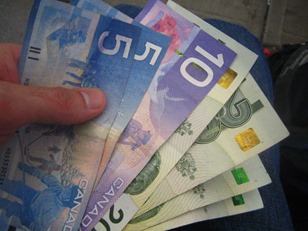
    canadian_currencyCanadian banks issued a record amount of domestic debt this year as they rushed to get ahead of new rules that will make issuing subordinated bonds costlier as of next month.

    Lenders such as Royal Bank of Canada and Canadian Imperial Bank of Commerce sold C$31.6 billion ($31.8 billion) in domestic bonds this year, or 11 percent more than in 2011 and the most in Bloomberg League Tables dating to 1999. So far in December, banks sold C$4.6 billion in bonds, more than double the amount from the same period last year, the data show.

    Borrowing accelerated before rule changes take effect that will change the way regulators treat callable subordinated debt, which banks use to build capital provisions. Beginning Jan. 1, Canadian banks will no longer be able to issue subordinated notes as so-called Tier 2 securities, part of a system where lenders classify capital depending on the ability of the bonds to absorb losses.

    Next year’s issuance of debt by the country’s eight largest banks will fall as much as 20 percent, said John Aiken, an analyst in Toronto at Barclays Plc. (BARC) Although banks aren’t restricted from issuing subordinated debt, it won’t be as economical for them to do so, he said.

    Canada’s banking regulator released final Basel III capital adequacy rules this month that aim to bring the country’s lenders into line with new global standards beginning next year.

    For more, click here.

    Compliance Policy

    Dodd-Frank Swap Rules Delayed Six Months for Overseas Trades

    The largest Wall Street banks and foreign-based financial companies won a six-month delay in some swap regulations for overseas trades, even as they must begin registering with U.S. regulators by year-end.

    The Commodity Futures Trading Commission, the main U.S. derivatives regulator, voted 4-1 to leave the registration deadline in place while providing a delay until July 12 for capital and other requirements for overseas operations of JPMorgan Chase & Co. (JPM), Goldman Sachs Group Inc. (GS) and other banks, the agency said in a statement. The CFTC also reduced the number of overseas offices immediately registering.

    The international reach of CFTC swap rules has been one of the most controversial elements of the agency’s Dodd-Frank Act rules, prompting opposition from financial companies. The agency has also faced criticism from European and Asian regulators over the reach of a rule requiring trades to be guaranteed at clearinghouses and traded on exchanges or other platforms.

    The CFTC is working with international regulators to determine when overseas rules can be used to substitute compliance with Dodd-Frank measures.

    Under the exemption order, foreign-based banks and overseas operations of U.S. banks don’t need to count trades they have with non-U.S. clients to determine whether they cross the threshold requiring registration with the CFTC. The agency also sought additional public comment on how to define U.S. entities and foreign branches of U.S. companies.

    Dennis Kelleher, CEO of Better Markets, a Washington-based organization advocating stricter financial regulation, said the delay fails to protect U.S. taxpayers.

    China Web Stocks Sink on State Rules as E-House Jumps

    Chinese equities fell Dec. 24 in New York, after posting the longest stretch of weekly gains since October, as concern the government will take stricter measures to control the nation’s online access sent Internet stocks lower.

    The Standing Committee of the National People’s Congress, China’s lawmaking body, will decide this week on proposed legislation that would require Web users to register their real names to gain Internet access, the Xinhua news agency reported Dec. 23. Sina Corp. (SINA), owner of the Twitter-like Weibo service in China, dropped the most in three weeks andSohu.com Inc. (SOHU) retreated from a six-month high. E-House China Holdings Ltd. (EJ)surged the most in two weeks.

    The People’s Daily newspaper, published by the ruling Communist Party, has featured during the past week front-page editorials calling for more regulation of the Web, saying the “chaotic Internet” needs to be controlled.

    The iShares FTSE China 25 Index Fund, the biggest Chinese exchange-traded fund in the U.S., also declined. The ETF has risen 12 percent this year.

    Japan May Expand List of High-Capital Banks, Nikkei Says

    Japan may expand its list of banks it requires to maintain high levels of capital, Nikkei reported, without attribution.

    Major trust banks, including Sumitomo Mitsui Trust and Norinchukin, would be added to the list of Japanese banks required to maintain the higher levels, according to the Nikkei report. The proposal recommends a capital ratio 0.5 point higher than regular banks for the newly designated banks, to be phased in beginning in 2016.

    Mitsubishi UFJ, Mizuho Financial, Sumitomo Mitsui Financial are on the G-20 list of 28 global banks that are to have the 2.5 point surcharge.

    Japan’s Financial Services Authority next year will start evaluation of banks to determine the list.

    Russia Plans Tax Law for Off-Shore Projects, Vedomosti Says

    Russian government ministries approved a draft tax law for companies working on the continental shelf, Vedomosti reported, citing an unidentified government official.

    The law may be signed by year-end. The draft law doesn’t contain the amendment proposed by the Natural Resources Ministry that had added a profit tax for offshore projects, the newspaper reported, citing Deputy Minister Denis Khramov. The newspaper said Khramov didn’t elaborate.

    The draft included all of the government’s proposed tax incentives, the paper reported, citing Deputy Energy Minister Pavel Fedorov.

    Companies will pay a mineral extraction tax at five to thirty percent of the oil price, will be guaranteed a stable tax regime for 15 years, and will get tax benefits, according to draft law.

    Compliance Action

    SouthGobi Says Mongolia Corruption Probe to Look At Licensing

    SouthGobi Resources Ltd. (SGQ) said the Mongolian Independent Authority Against Corruptionis continuing its investigation into historical licensing issues, according to a statement to the Hong Kong stock exchange.

    The Authority will investigate divestment of SouthGobi licenses to third parties and the involvement and conduct of government officials. SouthGobi said the authority has concluded its questioning of its chief legal counsel Sarah Armstrong, and she is no longer a suspect.

    SEC Puts Off Decision on BlackRck’s Copper ETF to February

    The Securities & Exchange Commission, the U.S. regulator, delayed a decision to approve or disapprove BlackRock Inc. (BLK)’s proposed copper exchange-traded fund from Dec. 24 to Feb. 22.

    More time is needed to consider comments submitted, the SEC said in a notice dated Dec. 21 on its website. NYSE Arca Inc. had filed on June 19 a request to list the iShares Copper Trust, sponsored by BlackRock Asset Management International Inc., the SEC said.

    Melissa Garville, a spokeswoman for BlackRock in New York, declined to comment Dec. 24 on the SEC’s decision.

    JPMorgan Chase & Co. won regulatory approval for the first U.S. ETF backed by physical copper, according to an SEC order on its website date Dec. 14. The regulator accepted the proposal amid remarks from some industrial users that the product may disrupt the copper market.

    Comings and Goings

    Ukraine Central Banker Joins Government Amid IMF Loan Talks

    Ukrainian President Viktor Yanukovych promoted central bank chief Serhiy Arbuzov to first deputy premier as the government seeks its third bailout loan from the International Monetary Fund since 2008.

    Serhiy Arbuzov, who led Natsionalnyi Bank Ukrainy since December 2010, will be responsible for the country’s finances and economy, as well as trade, social, tax and agricultural policies, Yanukovych said in a decree posted on his website Dec. 24. Ihor Prasolov, who was head of the central bank’s advisory council, was appointed economy minister.

    The country’s legislature approved Mykola Azarov’s return as prime minister on Dec. 13, after he resigned earlier in the month due to his election to parliament.

    For more, click here.

    El-Erian Named by Obama to Lead U.S. Global Development Council

    President Barack Obama will appoint Mohamed El-Erian, the chief executive officer of Pacific Investment Management Co., to head the U.S. global development council.

    El-Erian, who shares the title of co-chief investment officer of Newport Beach, California-based Pimco with Bill Gross, will be chairman of Obama’s global development council, which was created earlier this year to advise the president on ways to promote economic development and good governance in countries all over the world, according to a Dec. 21 statement from the White House. El-Erian, 54, will head the council as a member of the private sector and his role at Pimco won’t change.

    El-Erian coined the “new normal” phrase in 2009, which describes an era of lower returns, heightened government regulation, diminishing U.S. clout in the world economy and a bigger role for developing nations. He is the author of “When Markets Collide,” a 2008 New York Times bestseller, and regularly writes commentaries on topics ranging from the global economy to education.

    Congressman McHenry to Lead House Investigations Subcommittee

    Congressman Patrick McHenry, a Republican from North Carolina, was chosen to lead the House Oversight and Investigations Subcommittee in the 113th Congress, according to a statement on his website.

    The appointment was made by the incoming chairman of the Financial Services Committee, Congressman Jeb Hensarling, a Republican from Texas.

    As chairman, McHenry “will provide oversight of the Federal Reserve, Treasury, the Federal Deposit Insurance Corporation, the Securities and Exchange Commission, the National Credit Union Administration, the Office of the Comptroller of the Currency, the Department of Housing and Urban Development, the Federal Housing Finance Agency, and the Export- Import Bank,” according to the statement.

    To contact the reporter on this story: Carla Main in New Jersey at cmain2@bloomberg.net.

    To contact the editor responsible for this report: Michael Hytha at mhytha@bloomberg.net.

    Related Posts Plugin for WordPress, Blogger...